Wine tourism continues to consolidate itself as a strategic pillar for tourism diversification and sustainable development in the Canary Islands. In this context, the Chair of Agrotourism and Wine Tourism of the Canary Islands and the Canary Islands Wine Tourism Cluster have strengthened their institutional collaboration after evaluating the results obtained in 2025 and defining an ambitious roadmap for 2026.
The working meeting is part of the ECDEIC Project, a key initiative for the professionalisation of wine tourism in the archipelago, and allowed for an analysis of the progress made during the last year, as well as the establishment of new priorities focused on applied research, specialised training and the positioning of the destination.
Performance assessment and institutional cooperation
During the strategic meeting, the representatives of both entities made a detailed assessment of the development of the ECDEIC Project throughout 2025. The analysis highlighted the role of the cluster as a backbone tool for the wine tourism business network, as well as its contribution to the generation of knowledge and the dynamisation of the wine sector linked to tourism.
The collaboration between the University, the Canarian Institute of Agri-food Quality and the companies associated with the Cluster has enabled progress to be made in a working model based on public-private cooperation, aimed at strengthening the competitiveness and identity of Canarian wine tourism.
Applied research and sustainability in wineries
One of the central themes of the meeting was the promotion of research in wine tourism sustainability. The Cluster and its associated companies play a key role in the work being carried out by the Chair’s new doctoral students, providing access to real data and the direct experience of the sector’s agents.
As a result of this collaboration, pioneering research has been carried out on sustainability indicators in wineries in the Canary Islands, which marks a milestone in the measurement of the impact of wine tourism from an economic, social and environmental perspective. This study lays the methodological foundations to guide the evolution of the sector towards more responsible models, aligned with the Sustainable Development Goals and adapted to the particularities of the island territory.
Roadmap 2026: training, events and visibility
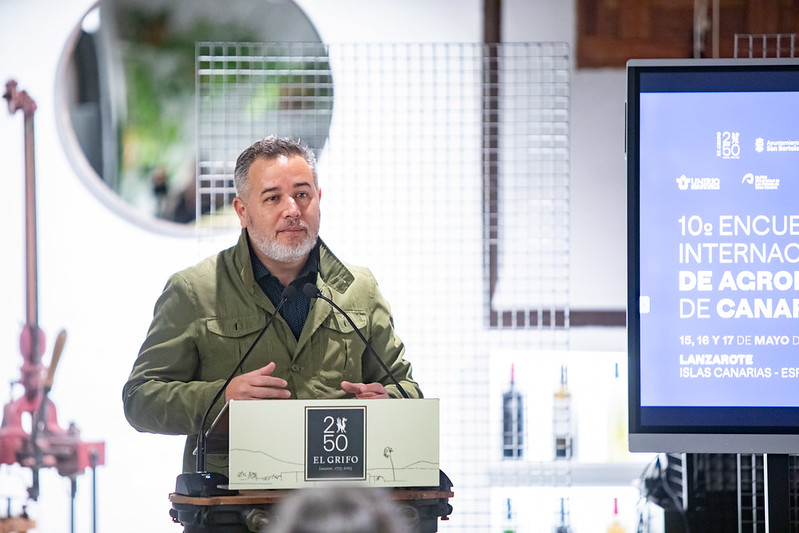
Looking ahead to 2026, the Chair and the Cluster have defined a series of joint strategic lines aimed at consolidating wine tourism as a segment with its own identity in the Canary Islands. The planned actions include the expansion of specialised training for professionals, as well as the active participation of the Cluster in the 11th International Meeting on Agro-Enotourism, to be held in April on the island of El Hierro.
It also plans to strengthen coordination in new research projects, optimise resources and develop high-impact actions that contribute to improving the visibility, planning and dissemination of wine tourism and agrotourism in the archipelago.
Cluster growth and strengthening of the wine tourism ecosystem
The meeting also served to positively assess the incorporation of new entities to the Canary Islands Wine Tourism Cluster, including several wineries, tourism services companies and technology companies. This growth strengthens the business ecosystem linked to wine tourism and expands the opportunities for collaboration and innovation.
In terms of governance, the Cluster’s involvement in the Institutional and Interdisciplinary Working Groups on Wine Tourism Sustainability was highlighted, ensuring that the development of the sector is aligned with international standards and contributes to the protection of the Canary Islands’ wine heritage.
Knowledge exchange and international outreach
Practical training and the exchange of experiences continue to be a priority, with professional mobility programmes and collaboration between wineries and partner companies. These initiatives help to raise the level of specialisation and improve the quality of the wine tourism offer.
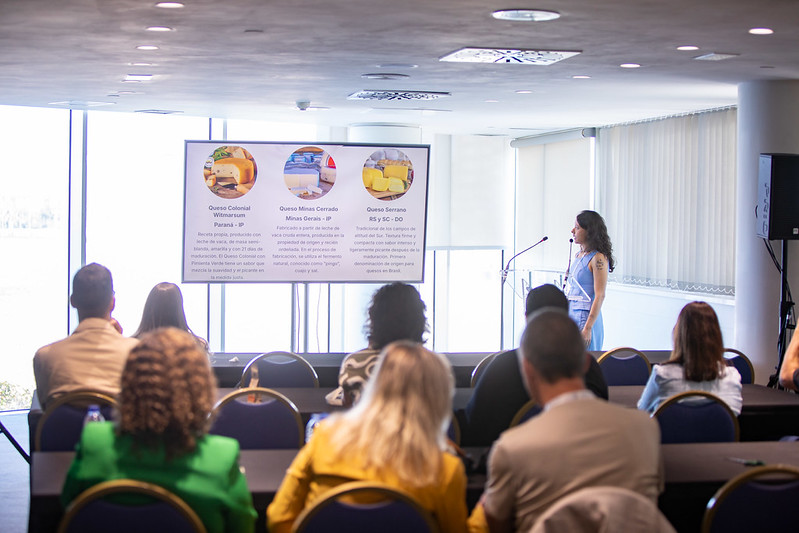
Furthermore, the collaboration network promoted by the Chair has transcended the regional sphere, favouring the exchange of knowledge with other wine regions, especially in Latin America. Cooperation with Brazil reinforces the international projection of the Canary Islands model and consolidates the archipelago as an emerging benchmark in wine tourism innovation.