Wines from the Archipelago have won 26 per cent of the awards at the 2026 Mondial des Vins Extrêmes, with 42 Grand Gold Medals, 57 gold medals and six special prizes
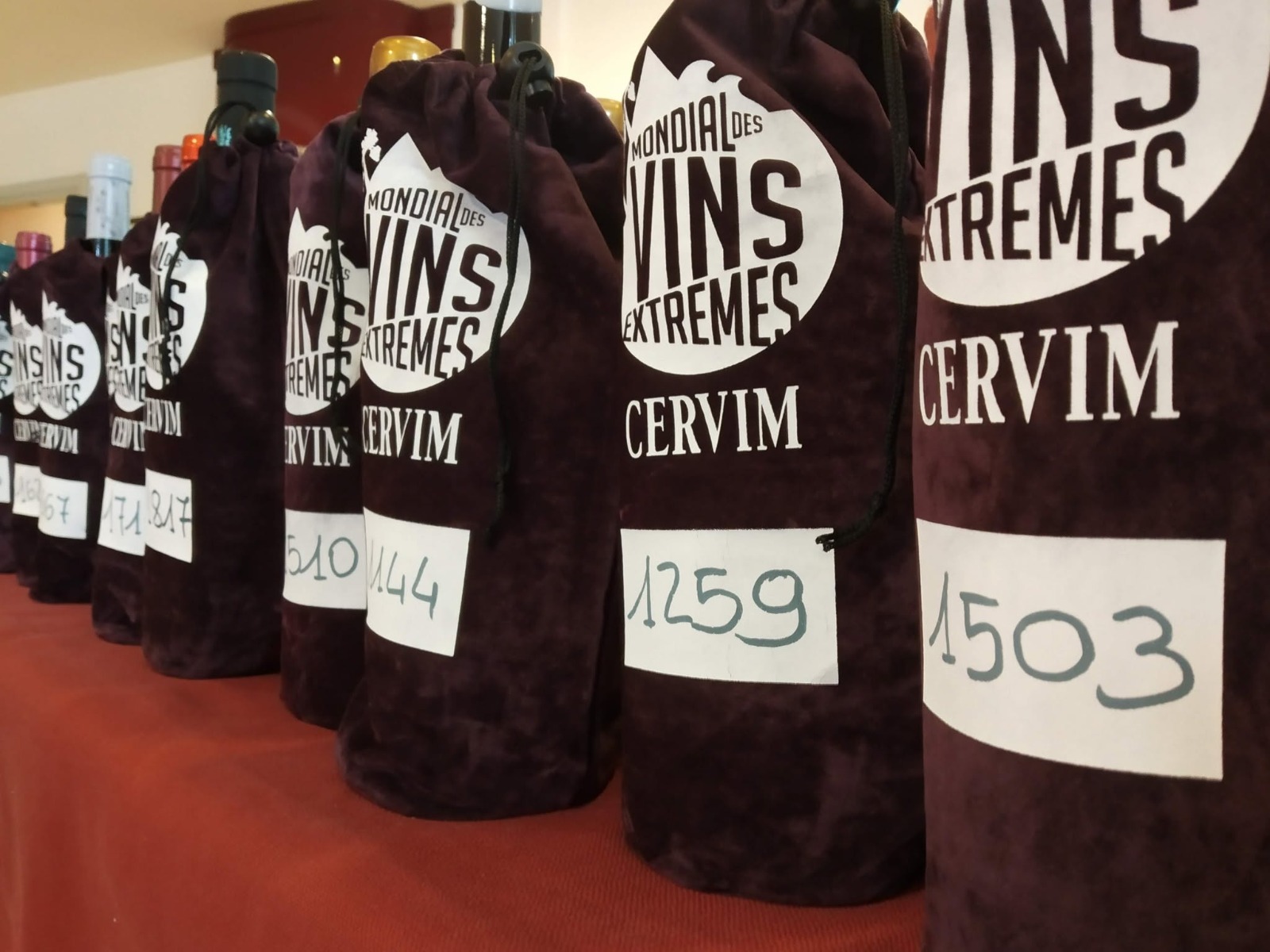
Canarian wines have achieved a historic result at the 34th edition of the Mondial des Vins Extrêmes, the international competition organised by CERVIM and specialising in wines from regions characterised by particularly complex viticultural conditions.
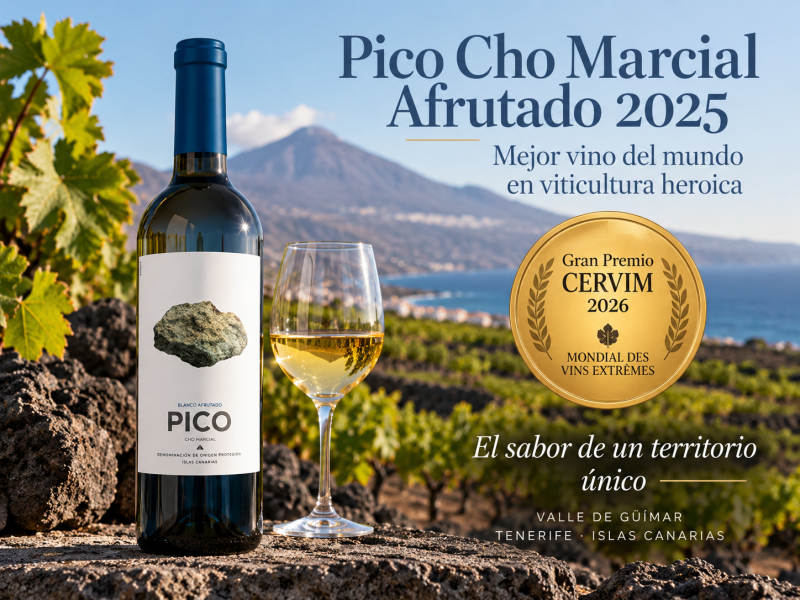
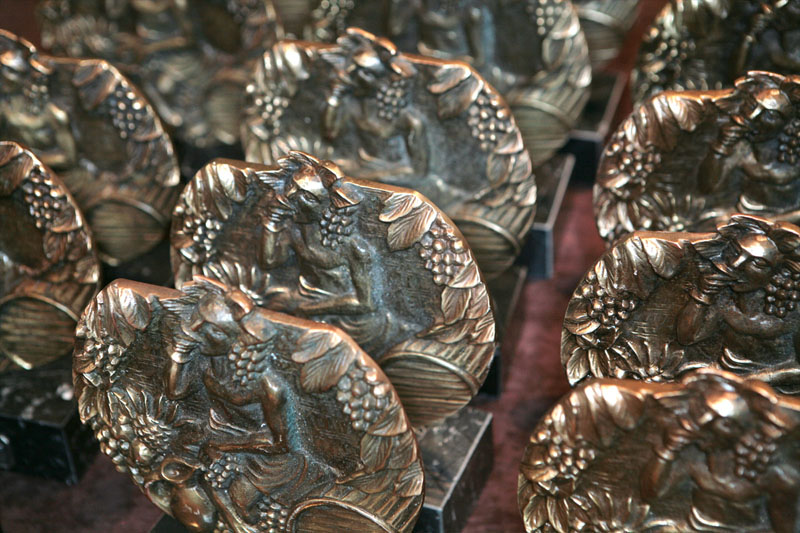
The Canary Islands have returned from the competition with 105 awards, fourteen more than in the previous edition. The tally includes 42 Grand Gold Medals, 57 Gold Medals and six special prizes, meaning that products from the archipelago accounted for approximately 26 per cent of all the awards presented.
The final stage of the competition took place on 25 and 26 August in Italy and brought together 1,175 wines from 432 companies across 22 countries – the highest participation figures recorded to date by the competition. The Canary Islands entered more than 200 wines, also setting a new record and winning the 2026 World Extreme Wines Award as the region with the highest number of entries.
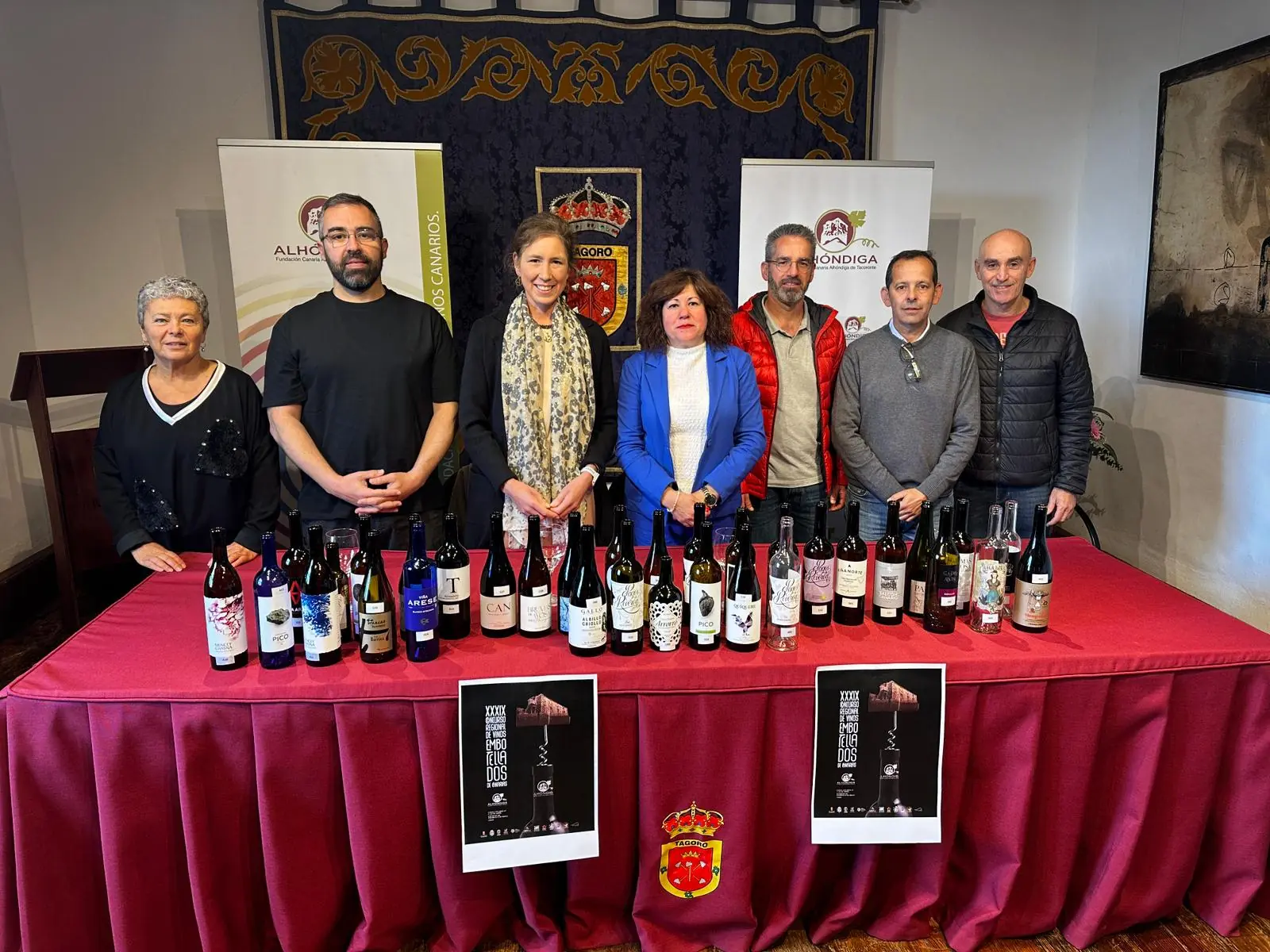
Ten Canarian denominations on the medal table
The awards were shared amongst ten Protected Designations of Origin from the Islands, demonstrating that the results are not confined to any one specific region or production method.
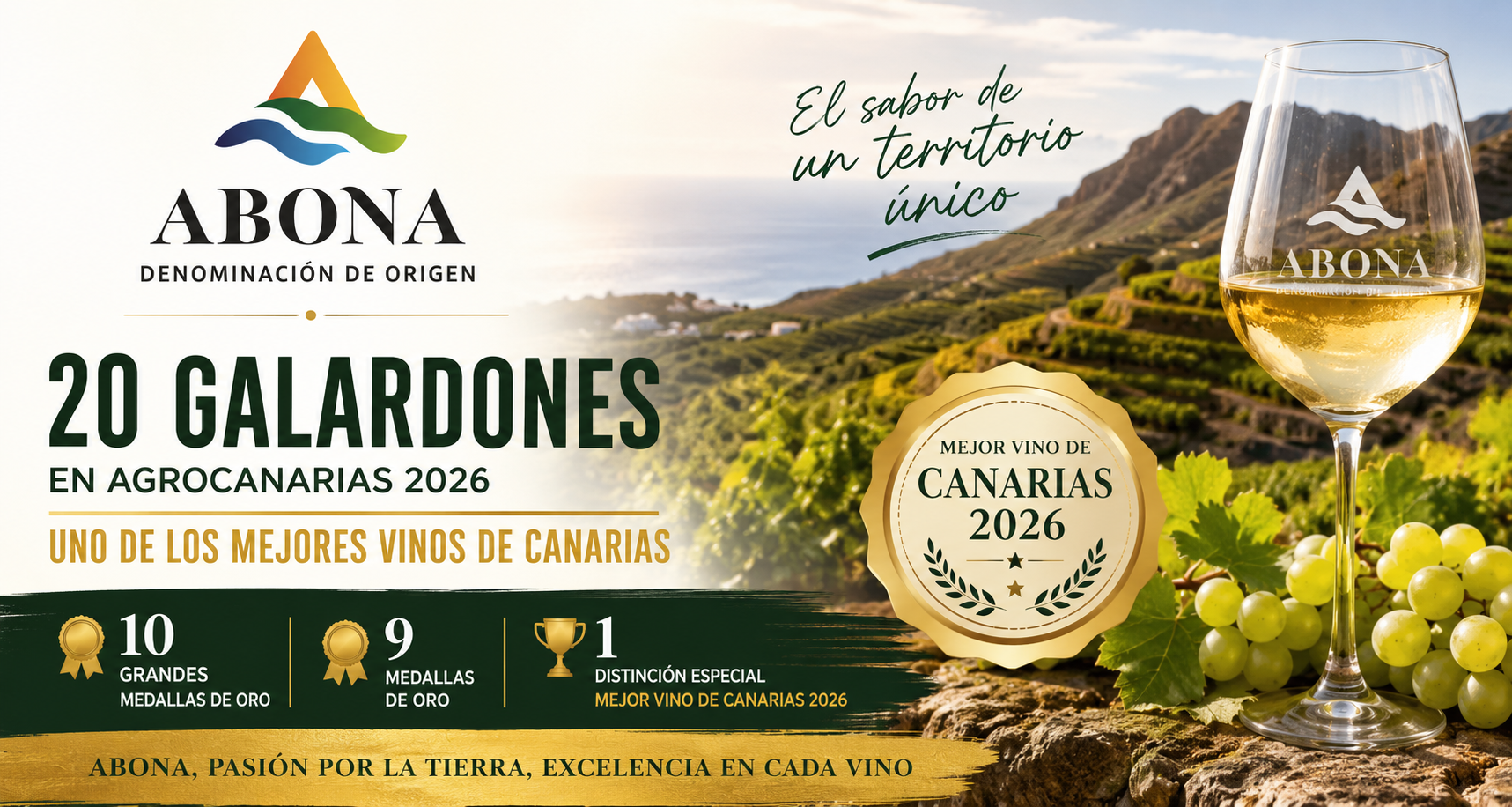
The Canary Islands PDO topped the medal table with 25 medals, followed by Abona with 22; Tacoronte-Acentejo with 14; Valle de Güímar with eight; Lanzarote with seven; and Gran Canaria with six.
For their part, La Gomera and El Hierro each won five awards, La Palma won four, and Valle de La Orotava won three.
A selection that highlights the diversity of wine production in a region that is geographically small but extraordinarily complex in terms of grape varieties, soils, altitudes, aspect and traditional vine training systems.
The value of a different approach to winegrowing
It is precisely these conditions that allow a large part of the Canary Islands’ vineyards to be classified under the concept of ‘heroic viticulture’.
CERVIM uses this term to identify wine production carried out under particularly difficult conditions, such as steep slopes, high altitude, small plots or isolated areas where much of the work has to be done by hand.
It is estimated that this type of vineyard accounts for just 5 per cent of Europe’s vineyard area.
The Canary Islands’ participation in the Mondial des Vins Extrêmes thus becomes not only a competition for medals, but also an international showcase for a method of vine cultivation that is closely linked to the landscape and agricultural heritage of the Islands.
An international showcase for Canarian wines
The 105 awards represent one of the greatest collective honours ever achieved by Canarian wine at an international competition and also serve as an important promotional tool.
In a global market in which the Canary Islands find it difficult to compete on the basis of large production volumes, factors such as the uniqueness of their grape varieties, historic vineyards, volcanic soils and extreme growing conditions enable them to craft a narrative based on differentiation, territory and identity.
View the official information and the Canary Islands’ track record for CERVIM 2026